New Mobile crusher LIMING Mobile Crushing and Screening Plant
Published: 17d


Published: 17d
Leasing
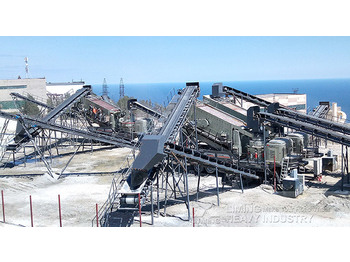
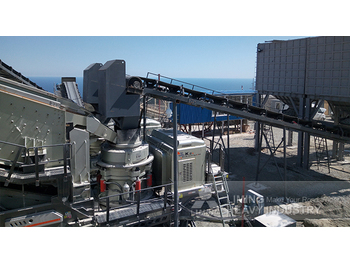
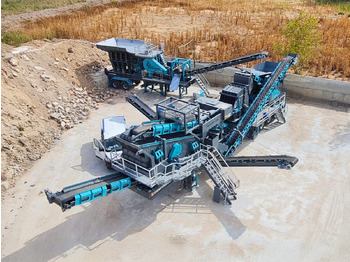
Available on requestA mobile crushing plant is a crushing and screening equipment that integrates feeding, crushing, screening, and conveying functions, and is installed on a mobile chassis. It breaks the limitations of traditional fixed production lines that require complex infrastructure and are difficult to relocate, essentially acting as a "small mobile stone processing plant" that can be freely moved to different locations. It directly brings the crushing operation to the source of raw materials, such as mines, construction sites, and road construction sites, greatly improving the flexibility and efficiency of material processing.
A typical mobile crushing plant mainly consists of the following major systems:
Main machine system: The core is the crusher. Depending on the hardness of the raw materials and the required finished product specifications, it can be equipped with a jaw crusher (coarse crushing), a cone crusher (medium and fine crushing, suitable for hard rock), an impact crusher (medium and fine crushing, suitable for medium-hard and softer materials, producing good particle shape), an impact crusher (sand making and shaping), or a hammer crusher.
Feeding system: Usually a vibrating feeder, responsible for uniformly and continuously feeding raw materials into the crusher, and pre-screening out some soil and fine materials.
Screening system: A multi-layer vibrating screen, responsible for classifying the crushed mixed materials by size. Finished products meeting the specifications are diverted to different stockpiles, while oversized particles are returned to the crusher for further crushing (closed-circuit circulation) to ensure precise finished product particle size.
Conveying system: A series of belt conveyors connecting each process to achieve automated material flow within the equipment and between finished product stockpiles.
Power system: Usually uses a diesel engine for power generation or an external power source to provide power for the entire equipment, ensuring independent operation even in remote areas without a power grid.
Mobile chassis: The core feature. It is divided into wheeled mobile stations (towed by a tractor, flexible for road transport) and crawler-type mobile stations (fully hydraulic drive, on-the-spot turning, strong climbing ability, suitable for complex and rugged terrain).
Intelligent control system: A centralized control cabinet, often equipped with a touch screen, enabling one-button start and stop, process monitoring, and fault diagnosis. Some advanced models support remote monitoring.
According to the process flow, it is mainly divided into two categories:
Mobile crushing station: A single machine completes the crushing operation. Mobile Crushing and Screening Combined Unit: Consisting of two or more mobile units (such as a mobile jaw crusher + mobile cone crusher + mobile screening plant) working together via conveyors, forming a complete mobile production line with higher processing capacity and a wider variety of product specifications.
Core Application Areas:
Construction Waste Recycling: On-site crushing of construction waste such as concrete and bricks at demolition sites to produce recycled aggregates for road bases, brick making, etc., making it a powerful tool for urban environmental protection.
Mining: Used for processing overburden in mines or for crushing small and medium-sized ore bodies during mining operations, reducing transportation costs.
Highway and Railway Construction: Directly crushing rocks and pebbles along road construction routes to produce road base materials and building materials, avoiding long-distance transportation of raw materials.
Sand and Gravel Aggregate Production: Flexible deployment at quarries, riverbeds, and other locations to produce crushed stone and manufactured sand of various specifications.
Other Fields: On-site crushing and processing of materials in metallurgy, chemical, energy, and other industries.
This offer is for informational purposes only. Please confirm details directly from the seller.
After identifying a vehicle of interest on Truck1.eu, you have the option to reach out to the seller either by using the contact form or by calling the dealer directly using the phone number provided. Choose the method that best aligns with your preferences.
Reach out to the seller to request more information about the vehicle’s availability, technical condition, and actual price, as ads might not always provide complete details. Additionally, ask for any recent service records or inspection reports to get a clearer picture of the vehicle’s current state.
Leverage Truck1’s comparison feature to evaluate similar vehicles. This will help you assess whether the asking price is competitive and aligned with market trends. Look for patterns in pricing and features to make an informed decision.
When purchasing a vehicle online, it's essential to verify the seller's reputation by looking for positive reviews and a history of successful transactions. Truck1’s “Dealer status” icons provide valuable insights based on the experiences with the dealer, aiding in assessing the seller’s reliability.
Whenever possible, make it a priority to visit the seller and inspect the vehicle in person. If feasible, arrange for a third-party pre-purchase inspection of the vehicle. This can uncover potential issues that might not be visible in photos or mentioned in the advert.
Ensure you sign a detailed sale agreement to protect your rights and confirm the terms of the transaction.
Proceed with payment only after signing the sale agreement. A small down payment to reserve the vehicle is common but should be done cautiously.
Confirm the seller's authenticity by gathering detailed information and checking reviews or ratings from previous buyers. Look for dealer icons on Truck1 to identify verified sellers and ensure a safer purchasing experience.
Compare the prices of similar vehicles using the Comparison tool to identify any unusual offers. Be wary of prices that deviate significantly from the market norm, as they may indicate potential issues or fraud.
Ask the seller for details about the vehicle’s history and usage conditions. A genuine seller will be transparent and willing to share this information, helping you assess if the vehicle meets your needs.
Arrange to see and test the vehicle, looking for signs of wear or damage. Consider a pre-purchase inspection by a professional mechanic to uncover any hidden issues and ensure the vehicle's safety and reliability.
Before any transaction, ensure a detailed sale agreement is in place outlining all terms and conditions. Use secure payment methods and verify transaction details to protect against fraud.
Leasing
Available on request
This offer is for informational purposes only. Please confirm details directly from the seller.
After identifying a vehicle of interest on Truck1.eu, you have the option to reach out to the seller either by using the contact form or by calling the dealer directly using the phone number provided. Choose the method that best aligns with your preferences.
Reach out to the seller to request more information about the vehicle’s availability, technical condition, and actual price, as ads might not always provide complete details. Additionally, ask for any recent service records or inspection reports to get a clearer picture of the vehicle’s current state.
Leverage Truck1’s comparison feature to evaluate similar vehicles. This will help you assess whether the asking price is competitive and aligned with market trends. Look for patterns in pricing and features to make an informed decision.
When purchasing a vehicle online, it's essential to verify the seller's reputation by looking for positive reviews and a history of successful transactions. Truck1’s “Dealer status” icons provide valuable insights based on the experiences with the dealer, aiding in assessing the seller’s reliability.
Whenever possible, make it a priority to visit the seller and inspect the vehicle in person. If feasible, arrange for a third-party pre-purchase inspection of the vehicle. This can uncover potential issues that might not be visible in photos or mentioned in the advert.
Ensure you sign a detailed sale agreement to protect your rights and confirm the terms of the transaction.
Proceed with payment only after signing the sale agreement. A small down payment to reserve the vehicle is common but should be done cautiously.
Confirm the seller's authenticity by gathering detailed information and checking reviews or ratings from previous buyers. Look for dealer icons on Truck1 to identify verified sellers and ensure a safer purchasing experience.
Compare the prices of similar vehicles using the Comparison tool to identify any unusual offers. Be wary of prices that deviate significantly from the market norm, as they may indicate potential issues or fraud.
Ask the seller for details about the vehicle’s history and usage conditions. A genuine seller will be transparent and willing to share this information, helping you assess if the vehicle meets your needs.
Arrange to see and test the vehicle, looking for signs of wear or damage. Consider a pre-purchase inspection by a professional mechanic to uncover any hidden issues and ensure the vehicle's safety and reliability.
Before any transaction, ensure a detailed sale agreement is in place outlining all terms and conditions. Use secure payment methods and verify transaction details to protect against fraud.